
2025 - 2026
GrownBy Register for Farm Generations Cooperative

Farm Generations Cooperative is a farmer-owned organization building technology that empowers local growers and strengthens food systems. In 2019, they created GrownBy—a free, farmer-owned platform to connect growers with consumers and support farms across America.
About
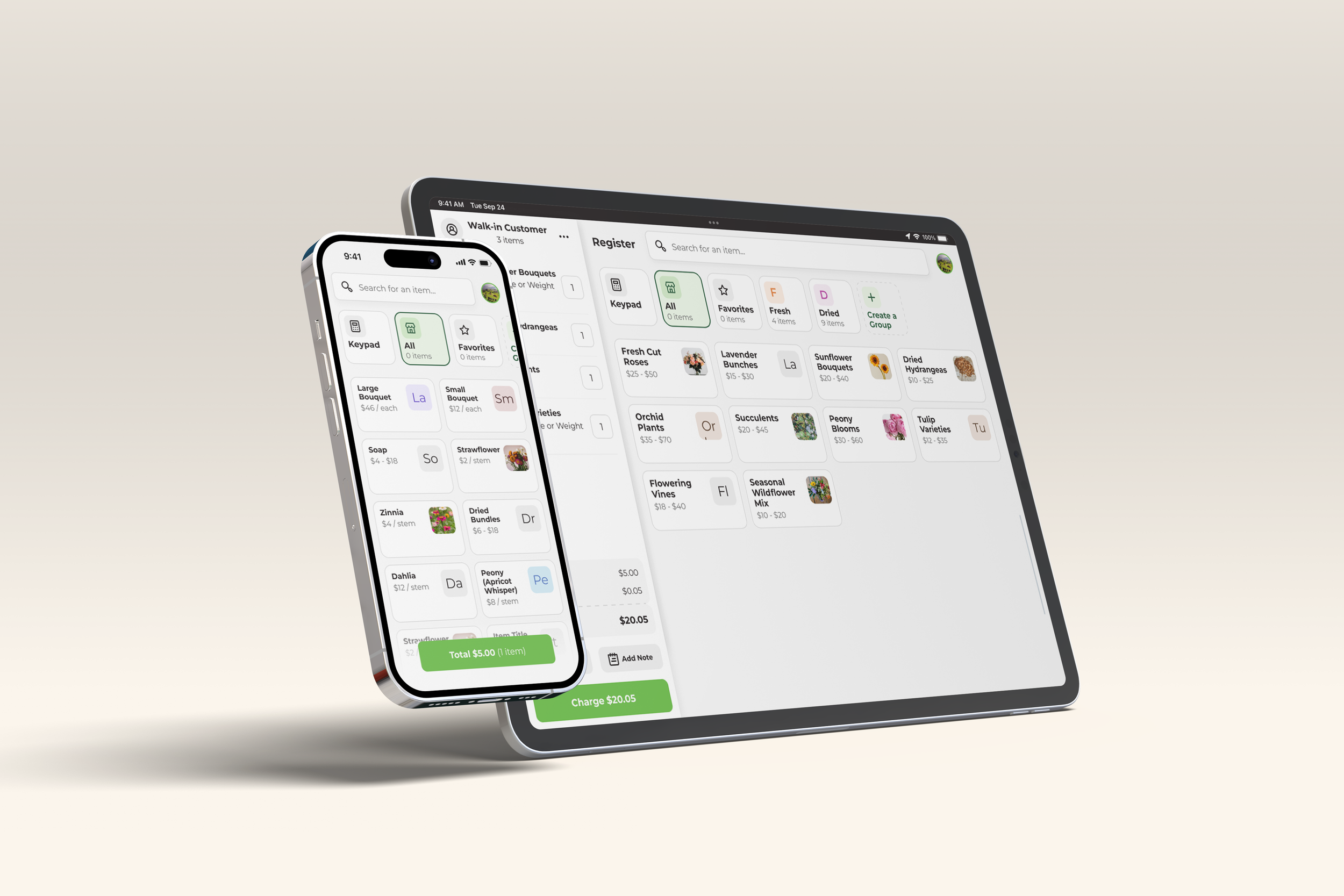
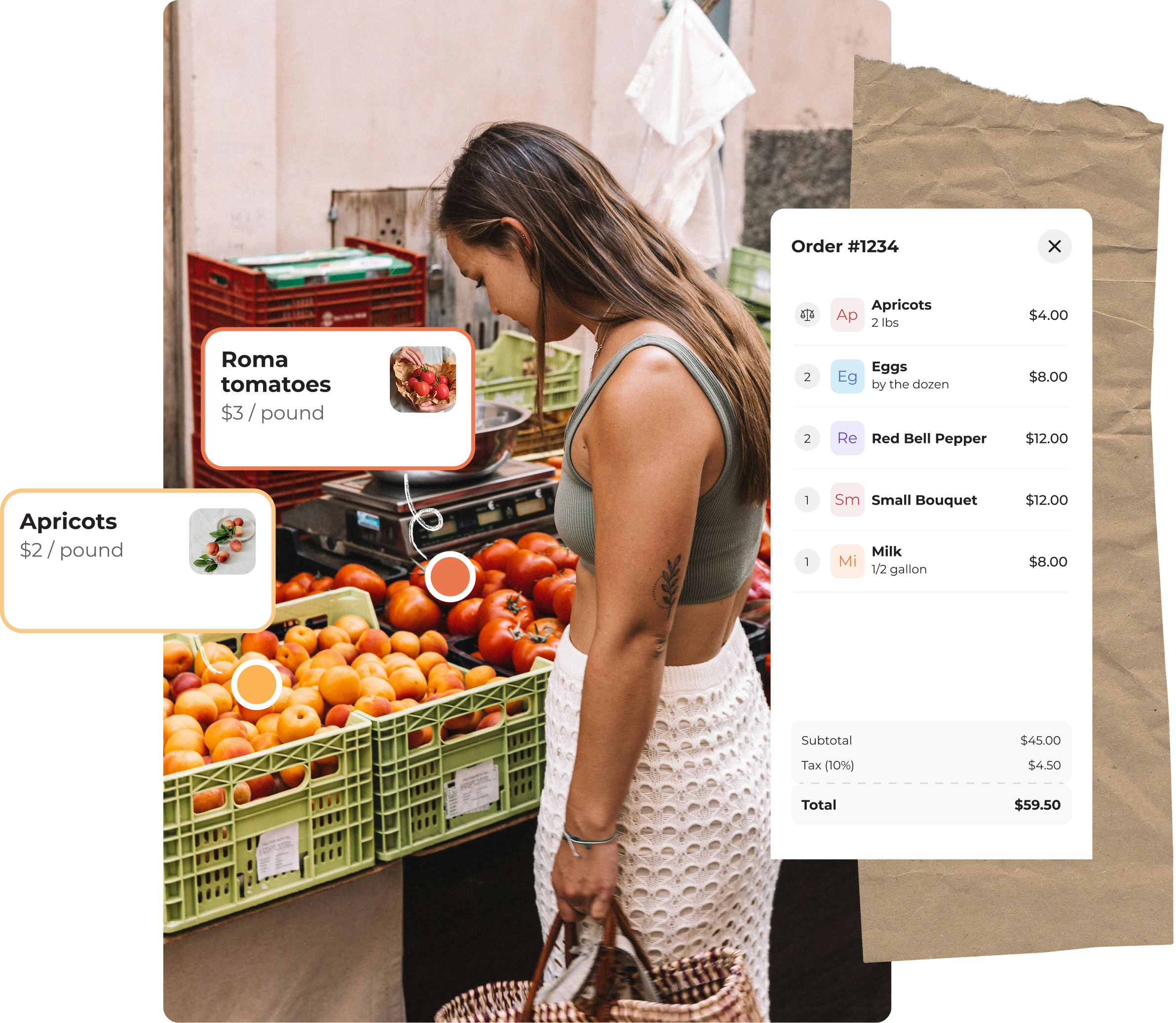
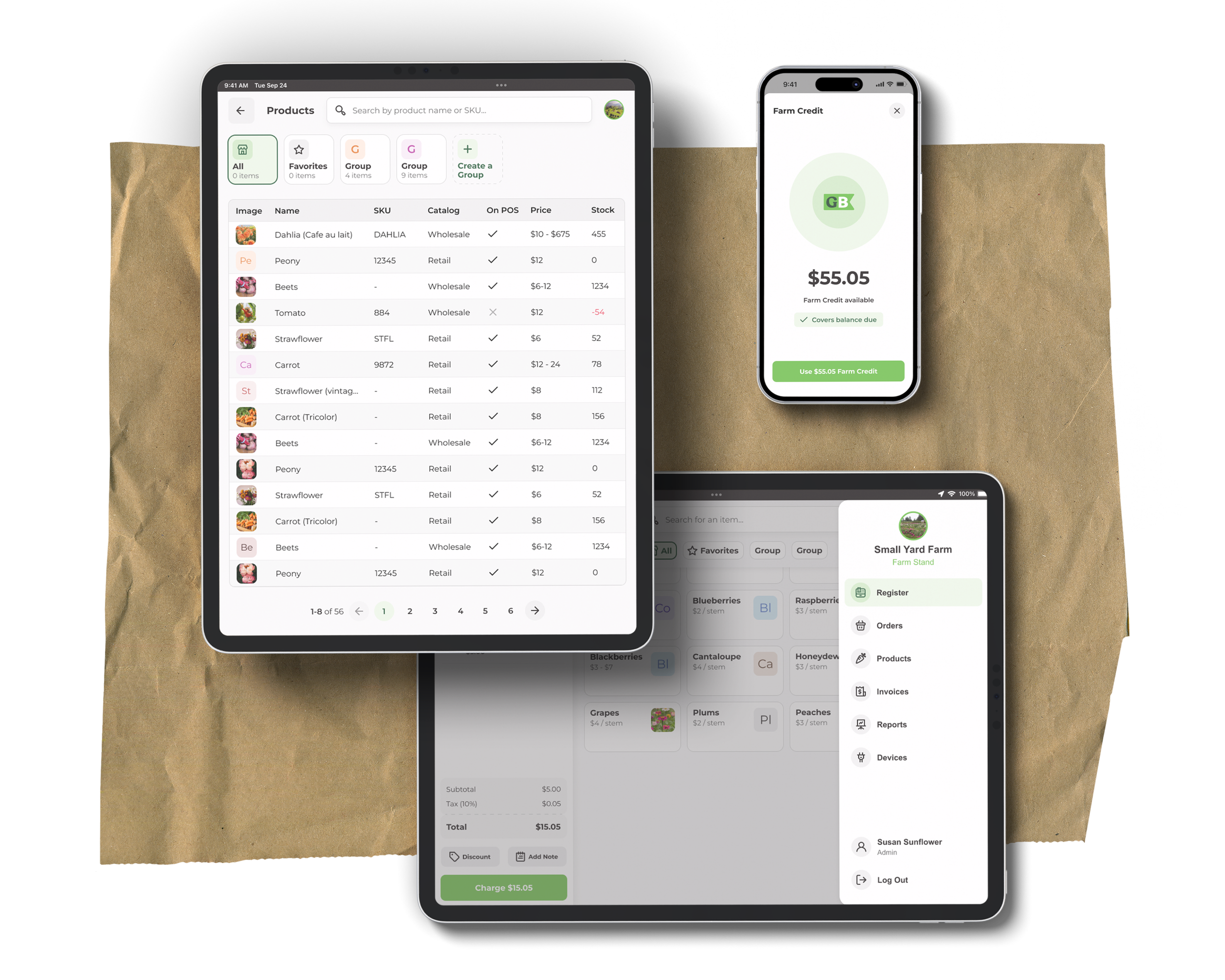
GrownBy Register is a tablet and mobile point-of-sale system built specifically for independent farms. It syncs directly with a farmer’s GrownBy inventory, supports SNAP/EBT and farm credit, and enables in-person sales and self-checkout at farm stands, farmer’s markets, and stores.
Product
Lindsey Lusher Shute, Co-Founder
Kara Valdon, Product Design
Yash Totale, Developer
Figma
Claude Code
Demo app in Github (and below)
Team & tools

What farmers need
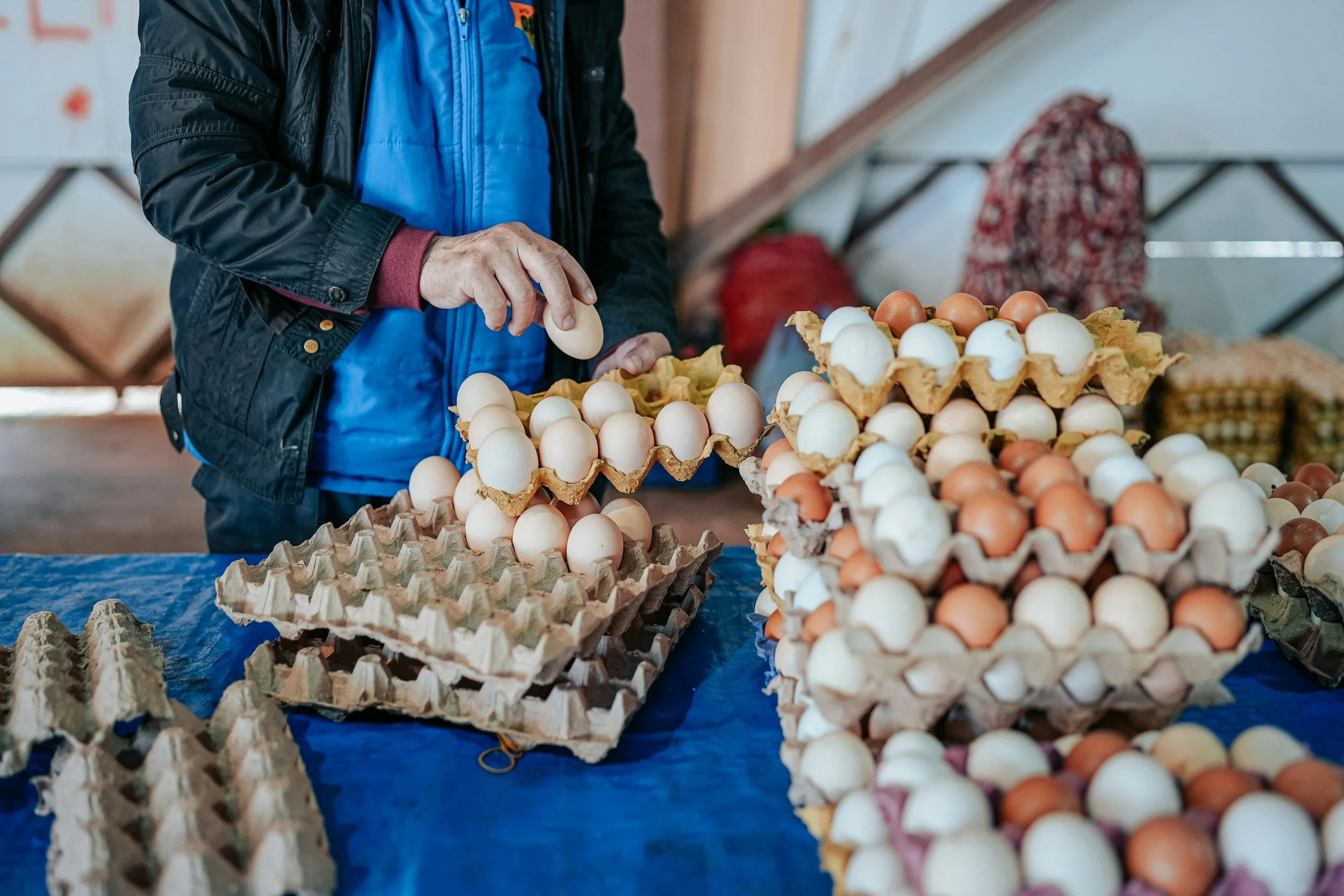
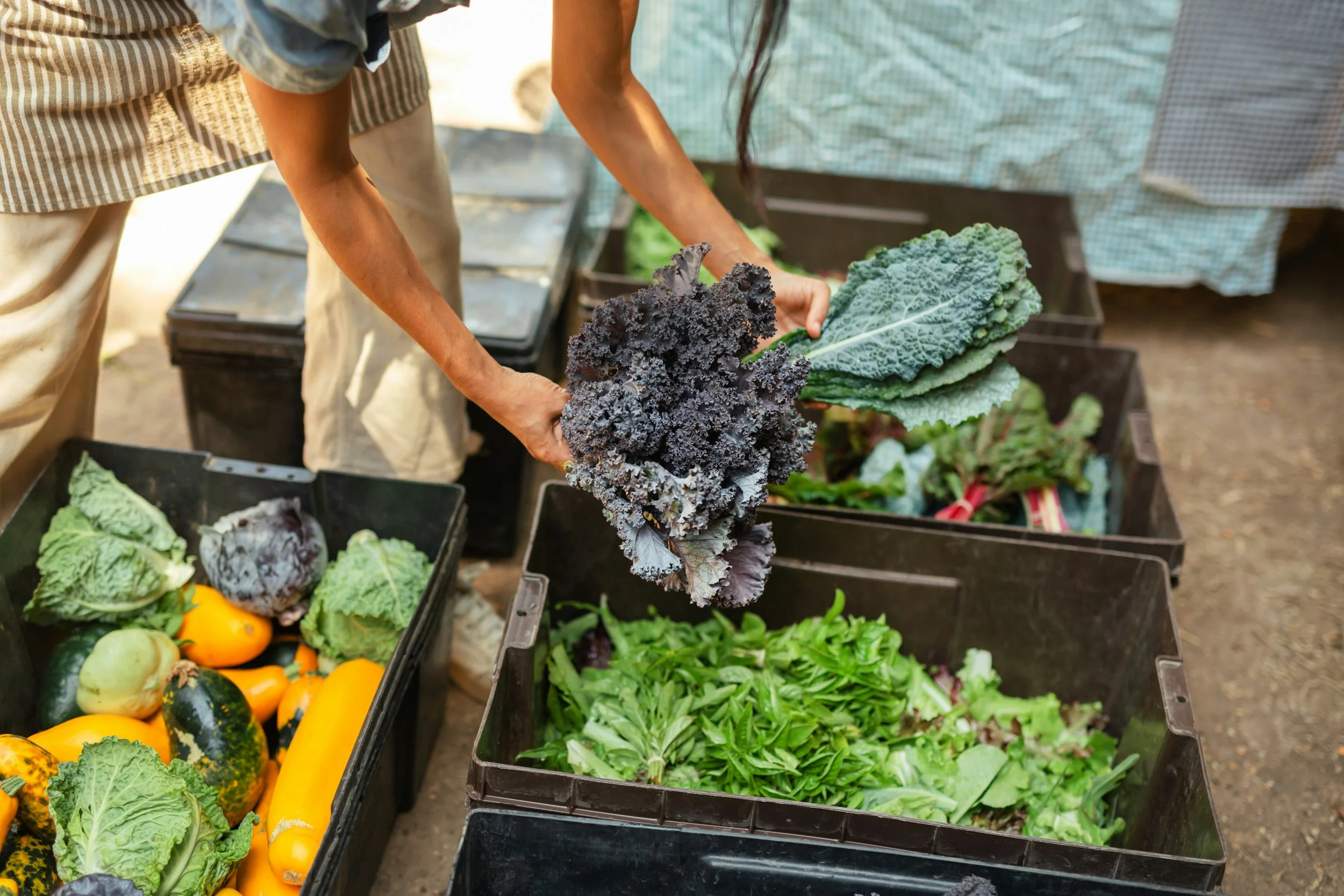
Before designing anything, we needed to understand how farms were already selling in person and where existing tools were falling short.
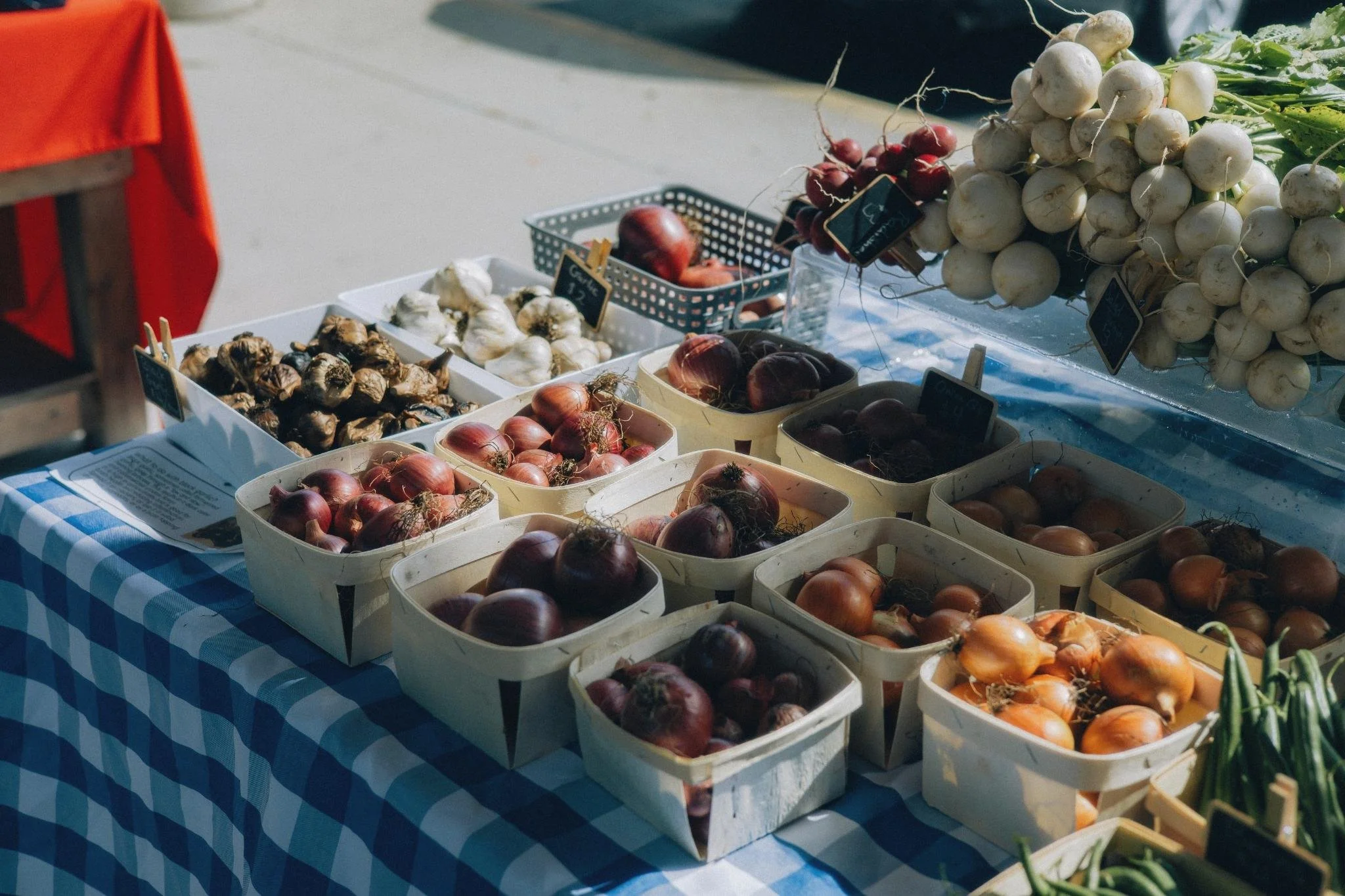
60% used Square as their primary POS; a significant portion also ran TotilPay Go as a secondary terminal specifically for SNAP/EBT transactions, meaning farmers were managing two separate devices, two logins, and two sets of sales data
69% of farms sold at farmers markets, 58% operated a brick-and-mortar or farm store, and many sold at both, creating fundamentally different workflow needs from a single system
Farms were juggling Square for cards, a separate terminal for SNAP, and no connection to their online inventory — all while selling outdoors, on the go, with a line of customers waiting. GrownBy Register was built to replace all of it.
The environment shapes everything
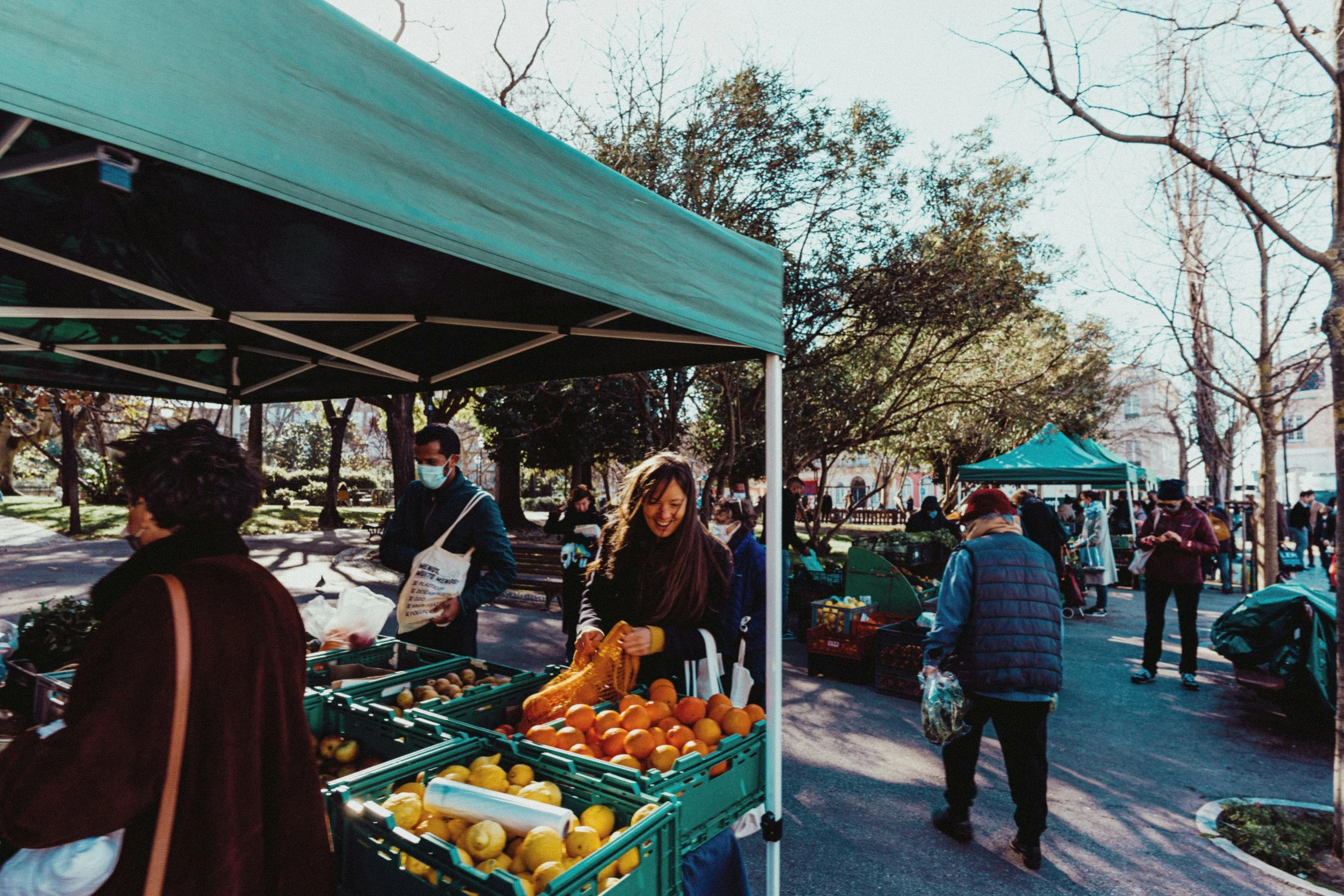
At a farm store, inventory is stable, wifi is reliable, and there's time to look something up. At a farmers market, a farmer is outdoors, often alone, moving fast, with a line of customers and no guarantee of cell service.
"I'd love a POS that could do both all normal transactions and also EBT transactions. The one thing that's time-consuming with our current setup is switching between Square and TotilPay Go whenever we have a SNAP transaction."
Market selling also demands flexibility that fixed inventory can't provide. A tomato that arrived bruised sells for less. A bundle gets split. A customer wants half a flat. Farmers need to type in a dollar value on the fly, and figure out how to reconcile that with inventory later, when they're back home and not in the middle of a transaction.
"We use the most basic setup of Square on our phones — we just enter in the total owed and tap the card. We aren't tracking inventory with it."
This was a common workaround: skip inventory tracking entirely because the tools made it too hard to maintain on the go. Farmers moving between markets, pop-up locations, and farm pickups had no reliable way to keep a single inventory in sync across selling channels.
"I wish it could tie into my inventory for my online store inventory."
PAYMENTS
Tap and SNAP, above everything else
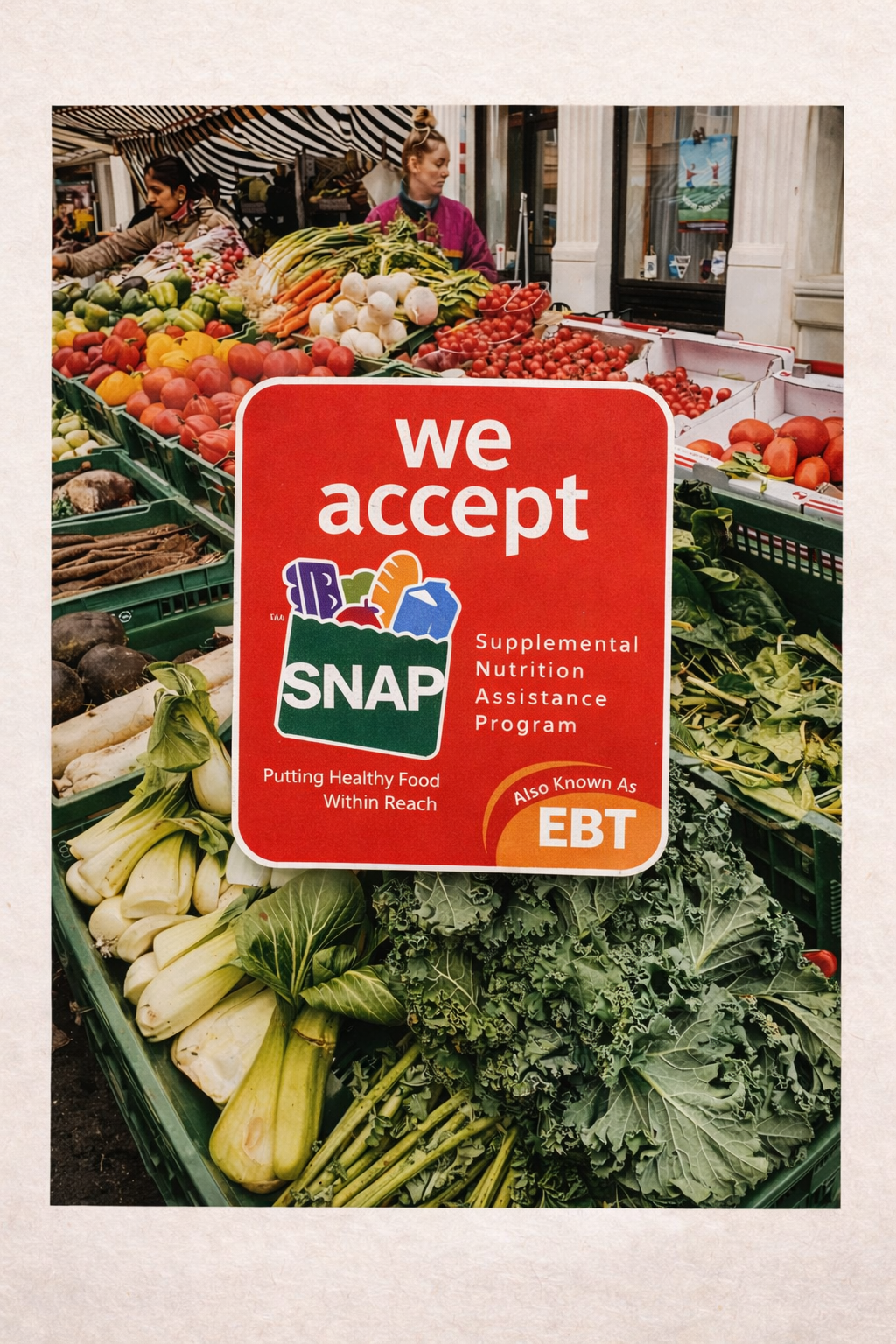
Card payments and SNAP/EBT were the two most critical payment types. Farmers weren't asking for exotic payment rails — they wanted those two to work fast, in one place, without switching apps or terminals.
"Contactless, cheaper than CC transactions"
"If all transactions could be handled from card to SNAP in one POS, I'd be willing to switch."
Cash handling was still common, especially at markets using token systems for SNAP, but the clear direction was toward tap-to-pay simplicity. The fewer steps between "customer hands over their card" and "transaction complete," the better.
REGISTER EXPERIENCE
The product grid has to do the heavy lifting
Speed at checkout depends heavily on how the product grid is designed. Farmers described needing:
Fast search for when the item isn't immediately visible
Categories to organize a large or seasonal inventory
Favorites or customizable grids so the most common items are always front and center
Enough products visible on the core grid that scrolling is the exception, not the rule
Varieties of products like price, size or weight
"It's [has to be] fast to find product, and have different options (size/price) for the same product."
The ideal checkout flow is one where a farmer selling their top 20 items never has to leave the main grid. Search and categories exist for edge cases — the grid handles the majority of transactions.
WHAT’S NEXT?
Self-Checkout: Designed for the Unattended Farm Stand
44% of farms wanted a self-checkout option but had no tools built for their context. Building it meant solving a different kind of design problem — not just "how do a customer rings up their own items," but "how does a farmer leave a tablet outside, unattended, and trust that it will work correctly all day?"
Give it a try! 🔊 Sound on
🛒 A simpler product grid
Rather than designing a new interface from scratch, self-checkout reuses the same product grid farmers already use in register mode — just optimized for a customer-facing context. The grid runs larger, with bigger tap targets and larger images, making it easy to scan and select items quickly even in outdoor light. The same logic applies: most-used items surface to the front, categories organize the rest, and search is available for anything not immediately visible.
The goal was that a customer who has never used the app before could check out a basket of produce in under a minute without reading any instructions.
🌙 A smart screensaver between sessions
Battery life is a real constraint when a device is running outdoors all day without someone monitoring it. Between transactions, the screen dims to a custom farm screensaver — showing the farm name, logo, and a prompt to start shopping. It saves battery, signals the stand is open and active, and gives the device a more intentional, branded feel rather than showing a generic lock screen.
🔒 Locking the device down
This was a pretty hairy problem: a self-checkout kiosk on an unattended farm stand can't behave like a general-purpose tablet. We designed a setup flow that walks farmers through enabling guided access (iOS) and screen pinning (Android) which locks the device to the GrownBy Register app, preventing customers from swiping into the home screen, settings, or any other application. Alongside that, auto-lock is disabled so the screen stays active between transactions without requiring a PIN to wake it.
🙋 A help button
Without a farmer present, customers who get confused have no one to ask. A persistent "Need help?" button is accessible from every screen in self-checkout mode that allows the customer to contact the farmer.
✨ Bonus: delightful details
Certain products in self-checkout can carry a message from the farmer — a short note about how something was grown, a note, or a preparation tip. These appear as a dialog when the item is added to the cart. While it’s no replacement for in-person, it tries to bring a bit of the farmer's voice into a transaction that would otherwise have none, preserving a bit of connection that makes buying direct from a farm meaningful.
For the prototype above, I added scanning and bagging sound effects, along with simple animations. Sound and motion give customers clear feedback that something happened. They also make the experience feel complete and intentional, more akin to a grocery self-checkout.
CLOSE-TO-HOME OPPORTUNITY
Austin has permission to build a better food economy
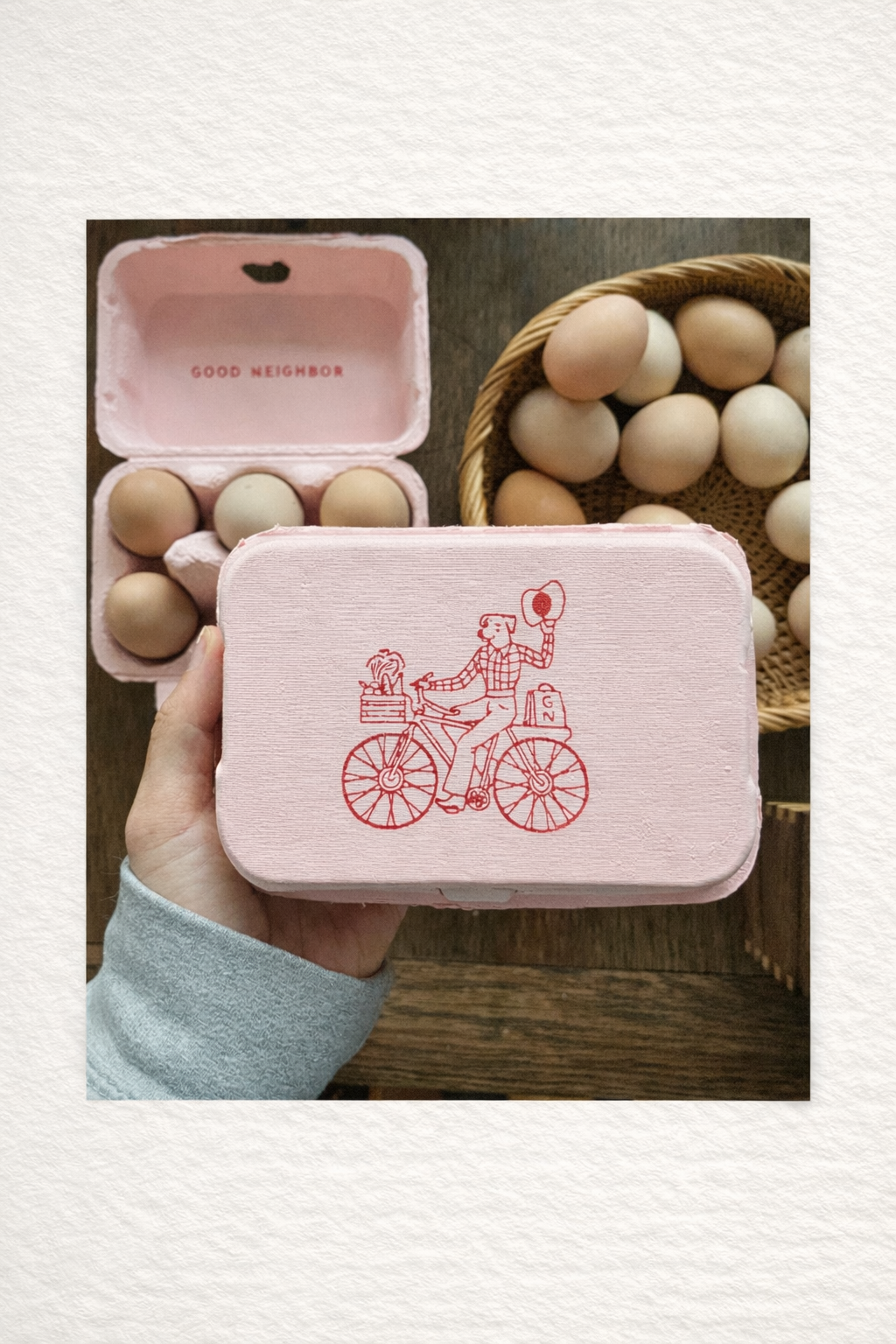
Texas expanded it’s Cottage Food Laws in the fall of 2025. It opens the door to a new layer of neighborhood-scale commerce. Bakers, gardeners, homesteaders, and small farmers can now legally sell a wide range of foods directly to their communities. Porch markets, neighborhood co-ops, and micro-enterprises have new opportunity, and those sellers will need tools designed for this exact kind of small commerce.
GrownBy is infrastructure for the kind of hyper-local economies this legislation makes possible.
My personal stake in agriculture
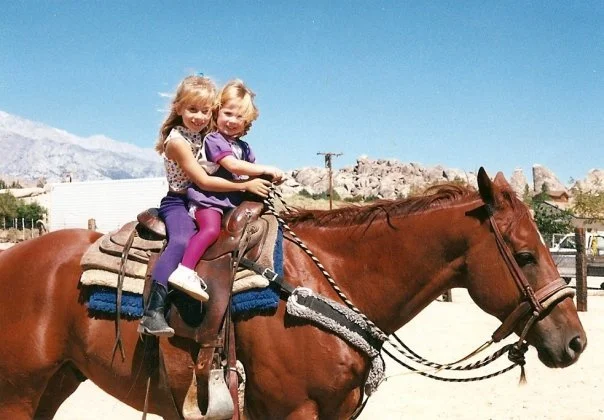
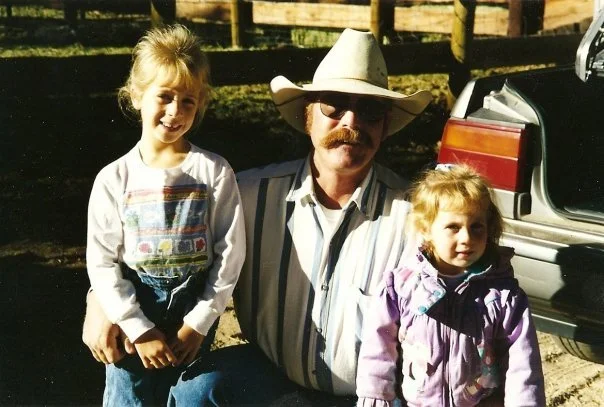
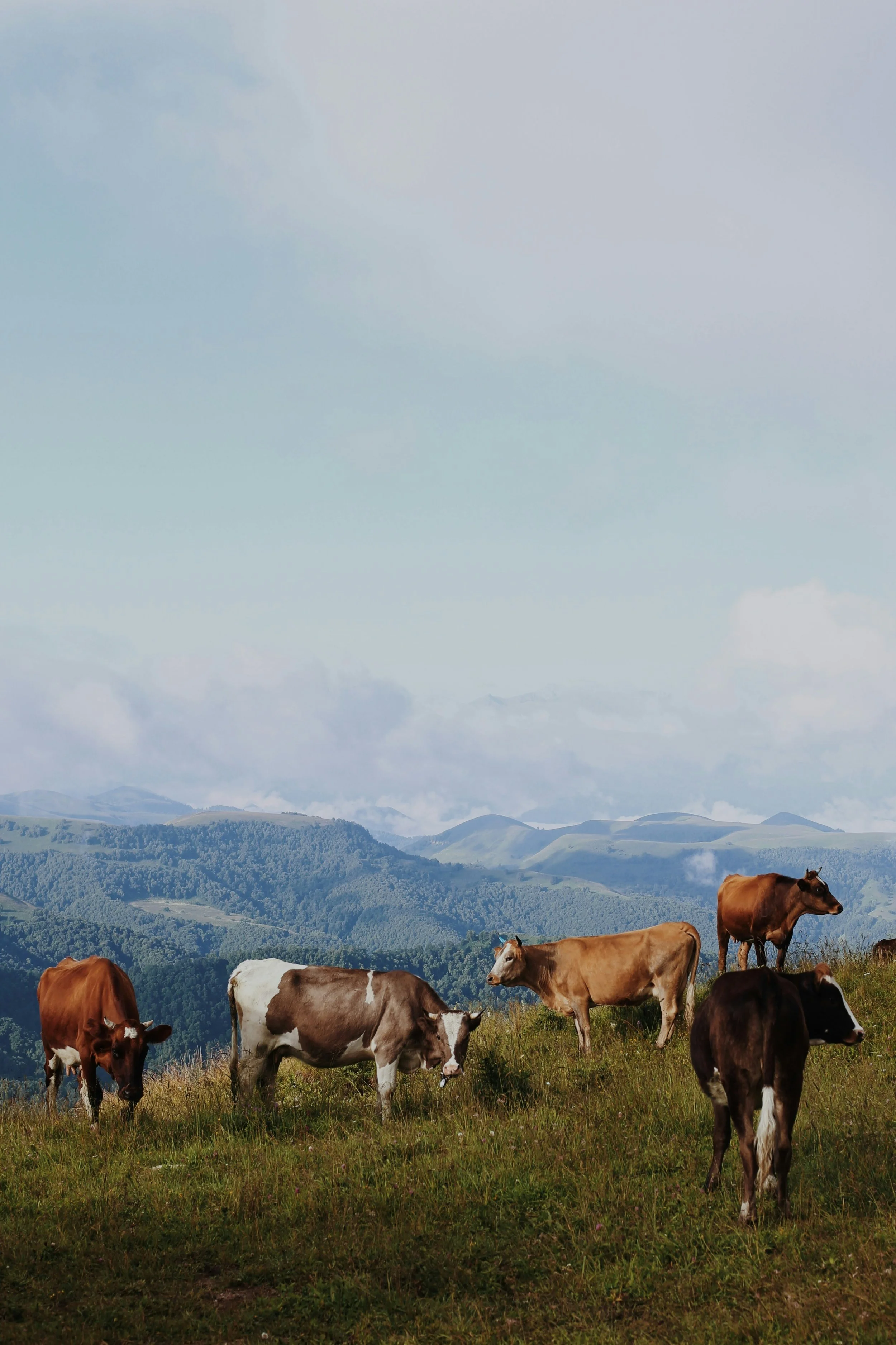
I grew up working on independent grass-fed cattle operations and raising livestock. Working on this project was a great way to give back to a community that gave me a whole lot.
Preserving independent farms promotes food security, land stewardship, rural economies, and generational knowledge. When we design better infrastructure for local growers, we’re supporting livelihoods, protecting working landscapes, and helping keep local agriculture viable for the next generation.